
Where I'd start
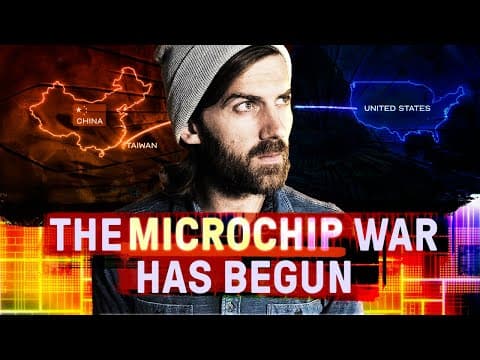 USA vs China: The Microchip WarExplains why microchips are the center of US-China rivalry, tracing silicon chips from the transistor through US dominance to Japan's challenge and Taiwan's TSMC. It covers export controls cutting China off from advanced chips and the CHIPS Act subsidies to bring fabs home. Key ideas: chips equal military and economic power, Taiwan's silicon shield, and supply chains turned into weapons.It shows the bottlenecks in our supply chains and how politics and economics shape them.
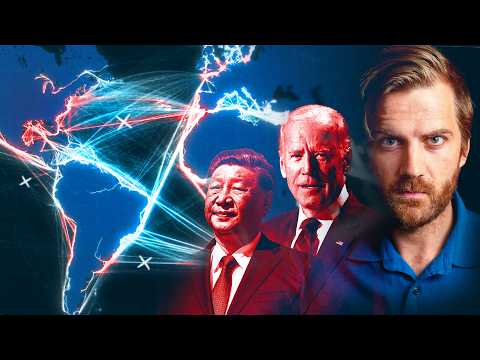 Our New Global EconomyArgues that the post-war free-trade order built around the US dollar, falling tariffs, and globalization is being reversed through subsidies, tariffs, and export bans. He lists four drivers: protecting workers hurt by the China shock, climate goals, rivalry with China, and the failure of the idea that trade prevents conflict. Key ideas: economic nationalism is rising, protectionism has bipartisan support, and entanglement can become a weapon.Insight into how the world order is shifting and what that means for the global economy.
 Truth vs Lies: The Science of Why We Believe MisinformationUses a brick-and-tower analogy for the brain, where inspectors scrutinize incoming information but wave through familiar items and ones that fit existing beliefs. He demonstrates the illusory truth effect through repetition and confirmation bias with misleading social posts. Key ideas: repetition makes claims feel true, confirmation bias and emotion lower scrutiny, and social media offers a comforting feeling of safety.The science of why we believe misinformation. It helps me be more intentional about the media I consume and aware of how information gets used to turn people against each other, and how we could bring people together instead.
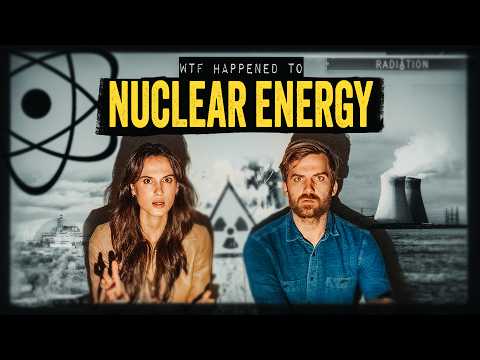 WTF Happened to Nuclear Energy?A conversation with Cleo Abram on why nuclear power declined despite being carbon-free. They argue fear shaped by Chernobyl, Three Mile Island, and Fukushima, plus misjudged radiation risk, drove public opposition, and treat waste as mainly a political problem. Key ideas: perceived versus actual risk, waste as a political problem, and underinvestment compared with renewables.Public opinion is one of the biggest reasons nuclear isn't more widely adopted. This traces its rise and fall as the energy source of the future.