Where I'd start
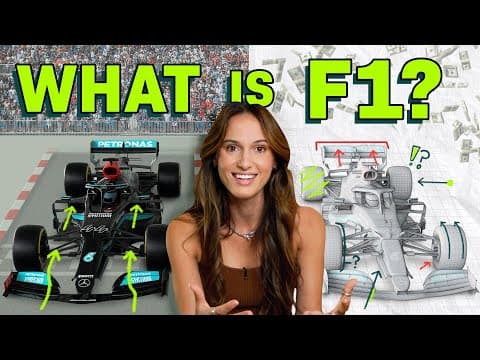 Formula 1, Explained for RookiesExplains how F1 works for newcomers: teams build their own cars, qualifying sets the grid, and points feed separate Drivers' and Constructors' championships. After reading team annual reports, it concludes teams race largely for marketing and technology development. Key ideas: aerodynamics and downforce, F1 as a high-spending marketing vehicle, and technology moving to road cars like a flywheel more than a trickle-down.A very informative, engaging explainer that got me into F1 around when I first watched Drive to Survive on Netflix.
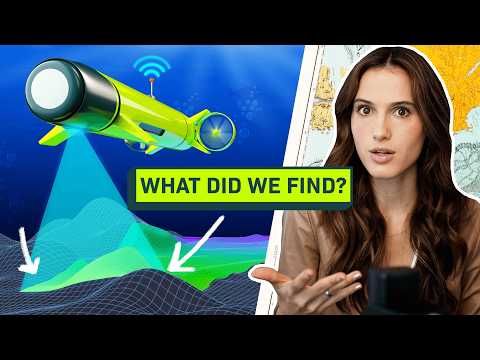 The Ocean Is Deeper Than You Think. We Need Better Maps.Argues that the ocean floor is mapped far worse than Mars, at about 1.5 km per pixel versus 5 meters. Maps rely on satellite gravity and radar estimates of sea surface bulges, an approach that grew out of Marie Tharp's hand-drawn maps, plus sonar. Key ideas: the ocean is extremely deep, current maps rely partly on educated guesswork, and new multibeam sonar is closing the gap.It answered a question I always had about the ocean depths and colors on Google Earth: is that real data or just a guess?
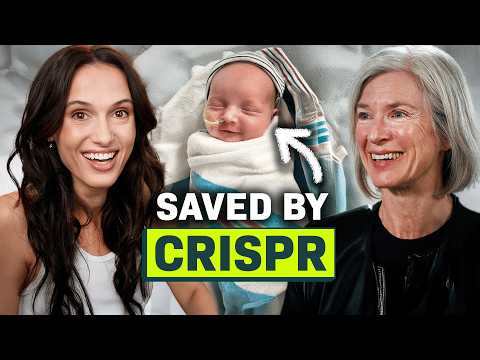 Editing Your DNA, with Nobel Prize Winner Dr. Jennifer DoudnaInterview with Nobel laureate Jennifer Doudna on CRISPR-Cas9, an easily reprogrammable tool for editing DNA. They cover non-heritable versus heritable edits, the approved sickle cell therapy, embryo selection, and editing cattle microbiomes to cut methane. Key ideas: CRISPR works best on single-gene diseases, heritable embryo editing raises deep ethical concerns, and cost and delivery limit access.Hope for healthcare, and an appreciation for human innovation and what technology makes possible.
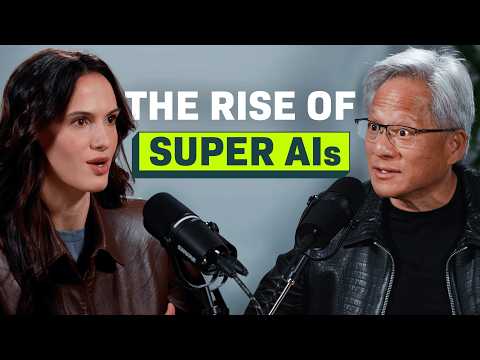 NVIDIA CEO Jensen Huang's Vision for the FutureInterview in which Jensen Huang traces NVIDIA's path from gaming GPUs through CUDA to AlexNet in 2012, when the company judged that deep learning could reshape computing and rebuilt its whole stack. He then describes pairing a world foundation model with a physics simulator to train robots. Key ideas: parallel computing drove the AI shift, simulation grounds physical AI, and robotics is next.Real questions instead of a typical interview, with insights from someone inside the industry.