Founder & Operator
Finding the deal
It started with Facebook Marketplace and a fascination with arbitrage — the instinct for spotting a good deal before anyone else did. That turned into a business once I recognized what I could actually offer collectors: quality product, fair prices, and service people could trust. I'd followed creators like CATRP Crew and QuickFlips for years and enjoyed watching their journeys in the space; I experimented with vintage toys too, but retro games were the closer fit for what I actually cared about.
What kept me in it was less the games themselves and more the logistics — planning, problem-solving, finding efficiencies like shipping consolidators and passing the savings on, and building a process that mixed a personal touch with something repeatable.
Going wholesale
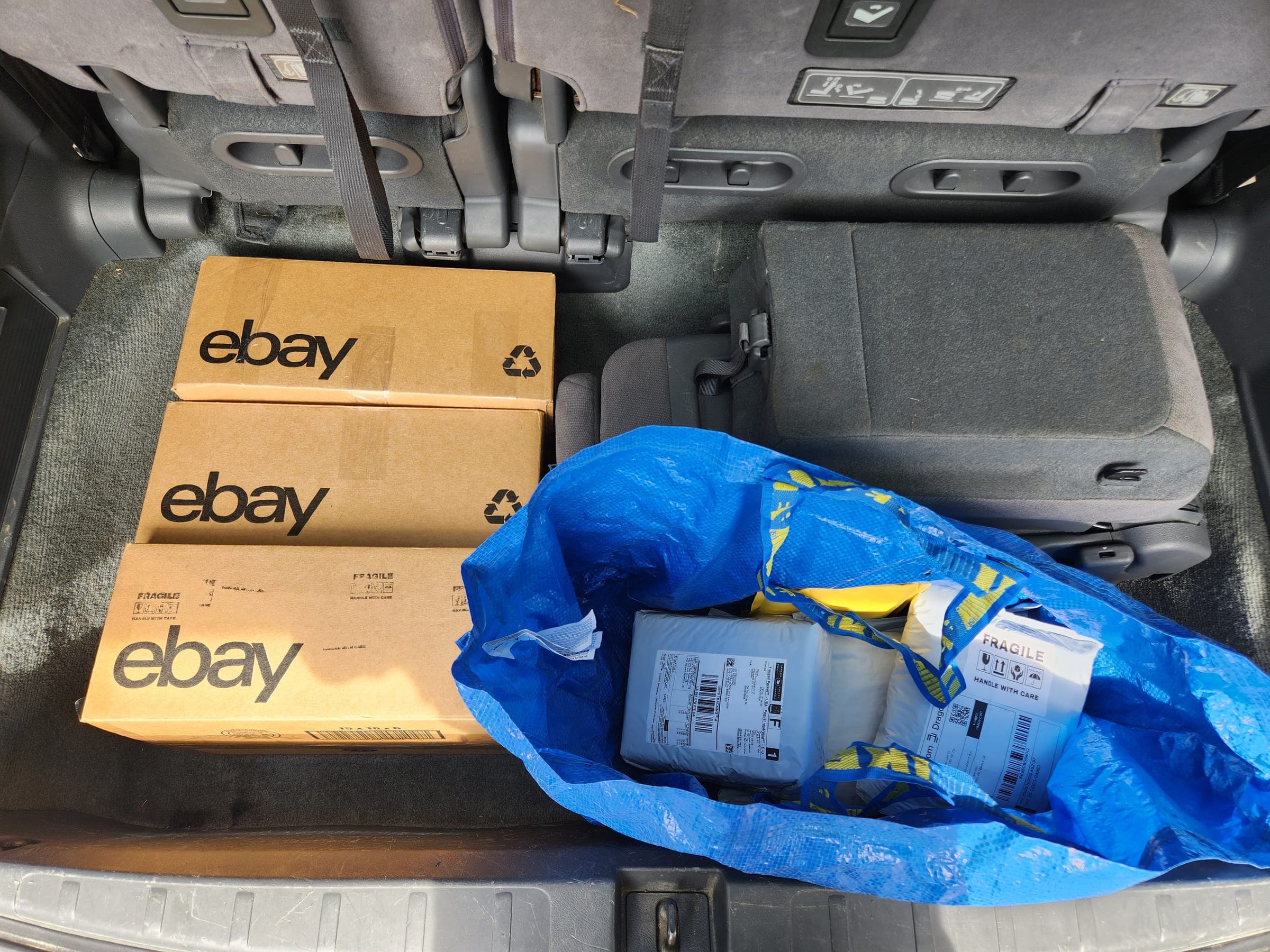
I started on eBay alone. Then I made connections with wholesale buyers in the US who sold on Amazon at a much larger scale — a volume game with thinner margins, but access to a market I couldn't reach on my own. I built a streamlined sourcing process around exactly what worked for them: one wholesaler starting November 2024, a second in January 2025. To decide where inventory should go each month, I built a small internal tool that compared both buyers' pricing offers side by side. At its peak, wholesale made up 50-60% of my monthly revenue.
Sourcing changed too — I started with individual marketplace finds and moved into buying entire collections. Some of those meant a lot to the people I bought from.
I also built relationships with other local vendors — trades, referrals, win-win deals instead of competing over the same buyers. Business isn't zero-sum. Relationships are what actually run it.
When tariffs hit
As tariffs became more prominent, the wholesale channel got harder — shipping options shrank and costs climbed. I adapted where I could: leaned harder into local connections and convention sales, and got smarter about what actually crossed the border. Consoles and handhelds are mostly made in China, so I traded those away locally for games made in the US, Japan, and Canada instead — lighter tariff exposure, still valuable inventory to send wholesale.
The stream kept narrowing anyway. I shipped my last wholesale batch in December 2025 and shifted focus back to local sales, eBay, and conventions.
Where it's headed
There are new shipping options I'm exploring now that might reopen that channel. In the meantime, I've slowed down buying to liquidate what I already have and leaned into higher-end sales — bigger upfront cost, but a better payout for the time it takes.
I've also been automating what I can. The eBay listing tool I built — one of the projects on the homepage — exists because I'd rather spend my time sourcing and building relationships than on repetitive manual listing work.
What I'd tell someone starting out
You learn more by doing than by planning. Don't lean on one sales channel — it's easier to disrupt than you'd think. The best price doesn't sell itself; you still have to sell the story and give people a reason to buy from you. And rejection isn't the end of a lead, just a redirect — sales is a skill that keeps paying off, everywhere, if you keep at it.